


10.11.25
How to Waterproof Effectively After Basement Lowering: Expert Tips
Basement lowering is one of the best practices to add valuable space to your home. You get extra living space, where you can create anything you love, whether it’s a gym, wine cellar, or any other space. But here’s a problem — the more you dig deeper, the more you expose your foundation to water intrusion risks.
At Rock Bottom Underpinning, we understand that lowering your basement is essential, but it’s not fully usable until it’s waterproofed. Protecting it against moisture is crucial to ensure the foundation remains strong, and your basement stays dry and fresh.
Why Basement Lowering Increases the Risk of Moisture Problems
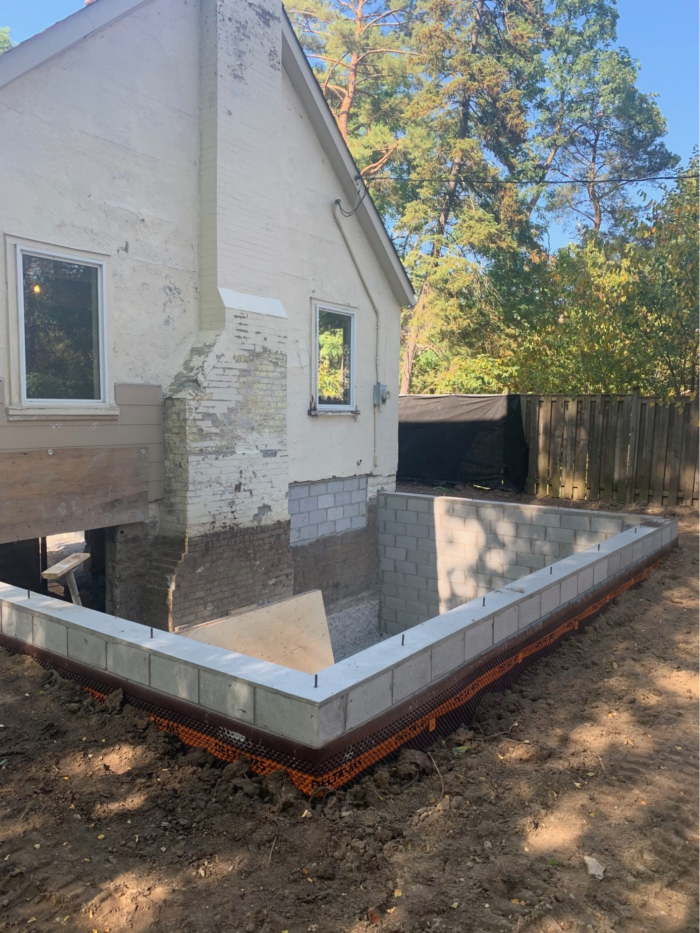
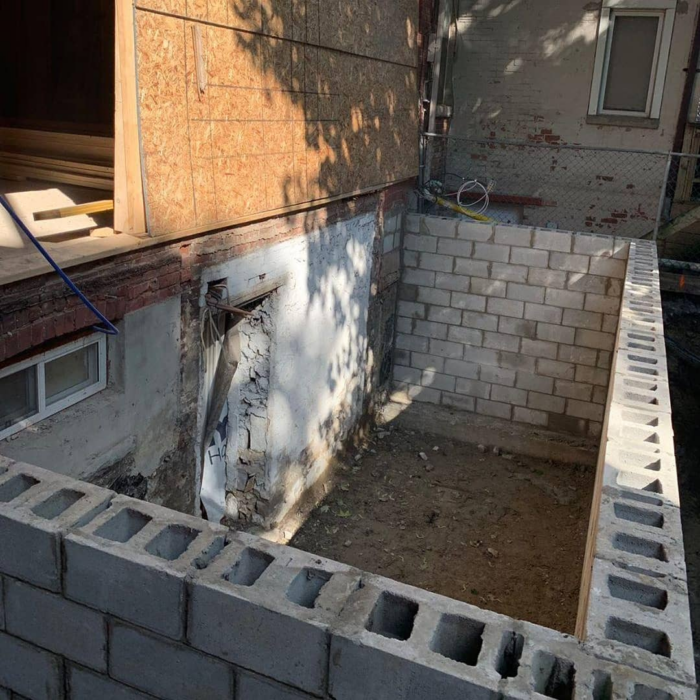
- When lowering the basement, you have to excavate deeper, where the walls are exposed to the hydrostatic pressure that can increase the pressure on both the walls and the floor. This forces water to seep through the tiny gaps, causing water leakage.
- If your foundation was already waterproofed, excavation could damage the existing waterproofing layers. Therefore, you may need to have it waterproofed again.
- Removing soil when altering the foundation can lead to micro cracks that allow water to seep through the wall.
Interior Basement Waterproofing Techniques
Sump Pump Installation
One of the most basic and effective methods of waterproofing, sump pumps work in coordination with drainage systems by collecting excess water and then pumping it outside the home. If you live in a flood-prone area or have a high water table, you can use this method for your basement.
French Drain Systems
French drain systems are installed alongside the perimeter of the basement to collect water seepage and direct it to the sump pump. This helps in efficiently managing water intrusion, keeping your basement dry.
Moisture Barrier Coating
Another method for waterproofing the basement from inside is to apply sealants and coatings to the interior of the wall. These coatings create a barrier that blocks moisture from entering the basement.
Exterior Basement Waterproofing Methods
Excavation and Sealing
The most common method of exterior waterproofing involves excavating around the foundation to apply waterproof membranes to the exterior walls. The membranes are the barriers that prevent groundwater from entering the basement.
Weeping Tile Installation
Another key method of exterior waterproofing is the installation of weeping tiles. These tiles are installed around the foundation to direct water away from the basement.
Foundation Crack Repair
Cracks in the foundation can compromise both the structural integrity of a home and its resistance to water infiltration. Rock Bottom Underpinning identifies these cracks and uses advanced sealants to close them effectively.
Why Should I Waterproof My Basement?
- Reduce Water Damage: Waterproofing can keep your walls, floors and belongings safe from leaks, flooding, and standing water.
- Lessen Mould and Mildew: Waterproofing your basement will help reduce the growth of harmful mold and mildew.
- Better Air Quality: Any waterproofing method will help keep the basement dry, improving air quality.
- Safeguard Structural Integrity: Waterproofing preserves what keeps your home stronger and increases its value.