


10.07.25
Underpinning vs Benching: Which is Best for Your Basement?
If you’re planning to upgrade your basement — either to gain more space or reinforce your home’s foundation — you’ll typically encounter two primary approaches: underpinning and benching. Though both methods increase basement height and improve support, they employ distinctly different techniques.
What is Underpinning?
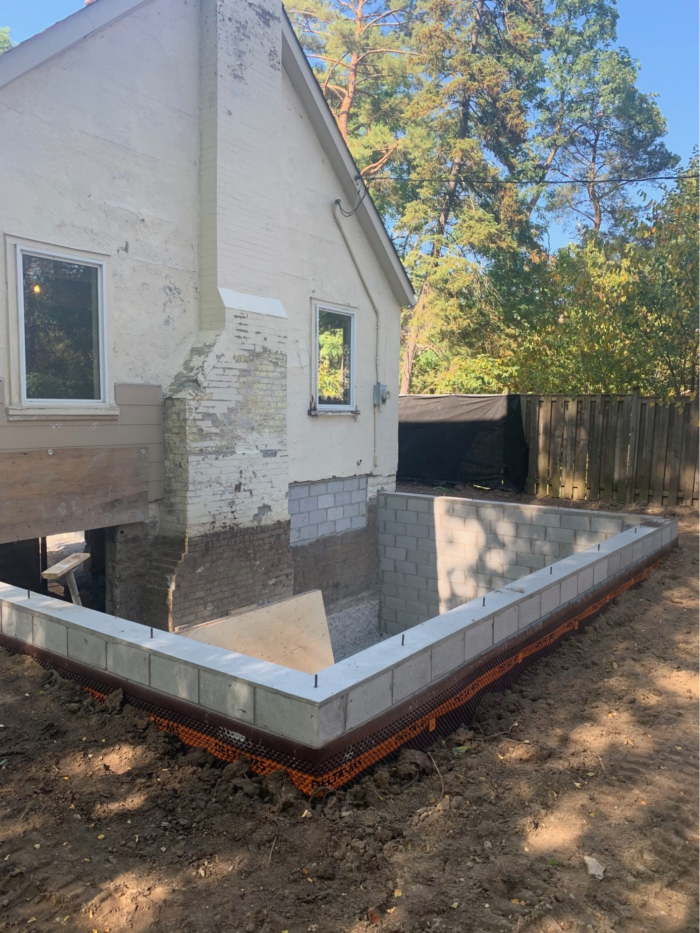
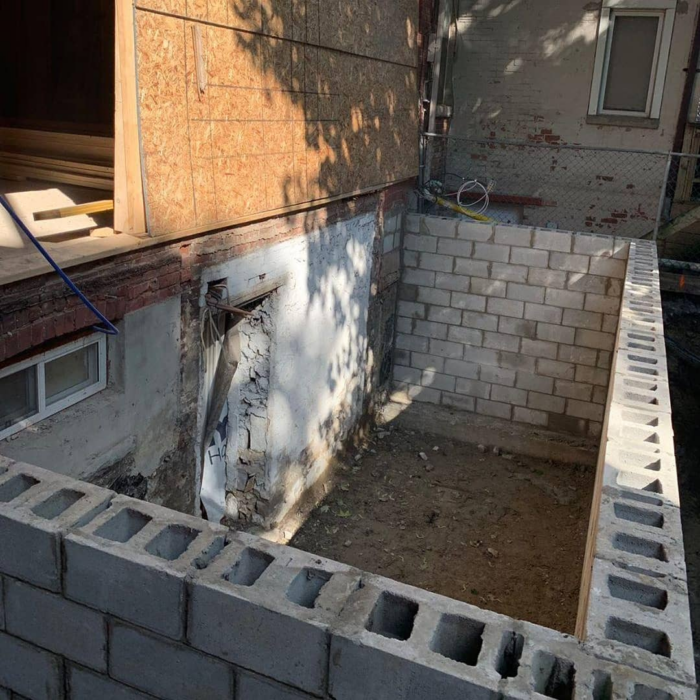
Underpinning strengthens and deepens a home’s foundation through excavation beneath the existing foundation and pouring new concrete to increase depth and load-bearing capacity.
Typical use cases:
- Foundation instability from soil movement or erosion
- Significant basement height increases
- Long-term structural support needs
Advantages of Underpinning
- Prevents further settling and cracking
- Increases weight-bearing capacity for weak or shifting soils
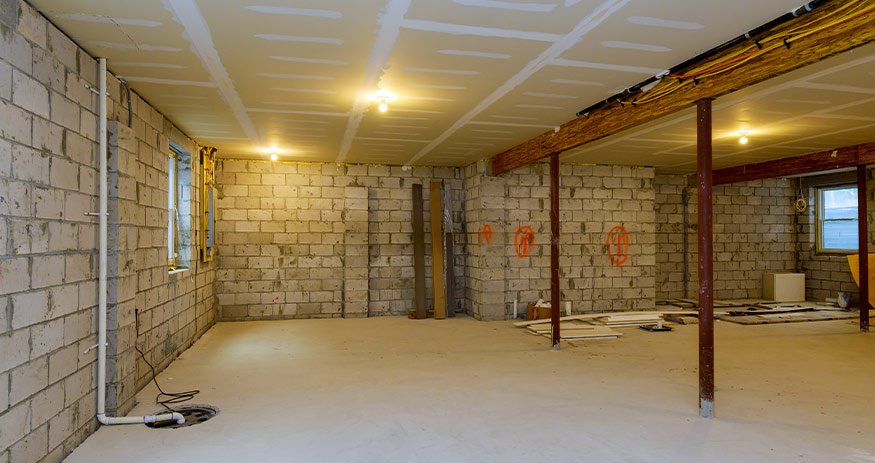
- Enhances livability through increased ceiling height
What is Benching?
Benching increases basement height without deepening the foundation. It involves excavating soil inside the basement and constructing concrete ledges around the perimeter to support the existing foundation.
Advantages of Benching
- Faster completion than underpinning
- More affordable option
- Minimal structural disruption
When to Choose Underpinning
- Foundation shows cracking, settling, or instability
- Permanent structural solution needed
- Significant ceiling height increase desired
- Long-term durability prioritized
When Benching Works Better
- Foundation remains stable without issues
- Extra basement space without major foundation work
- Limited budget or timeline constraints