

10.09.25
Your Basement, Upgraded: Types, Challenges & The Underpinning Solution
Let us tell you a secret – your basement has more potential than you think. At present, it might just be a cramped storage space. But what if we tell you that it could be more than just a dark room? A bright, spacious home office? A home gym? Or maybe a sleek entertainment lounge? And the only and the best way to unlock all that space is underpinning.
Types of Basements & Their Potential
Crawl Space Basement
A crawl space is a shallow and unfinished area beneath a home that provides limited accessibility. These spaces are about 1 to 4 feet in height and are used for storage and housing utility systems. These spaces play a crucial role in keeping your home protected from moisture-related issues but are also prone to mould growth, pest infestations, and humidity if not maintained right.
Partial Basement
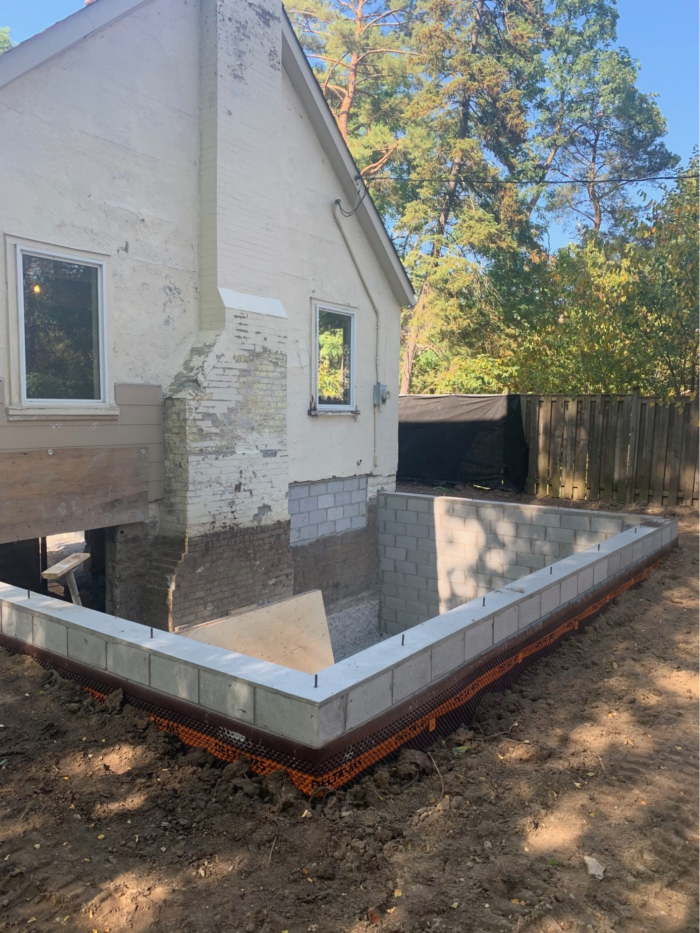
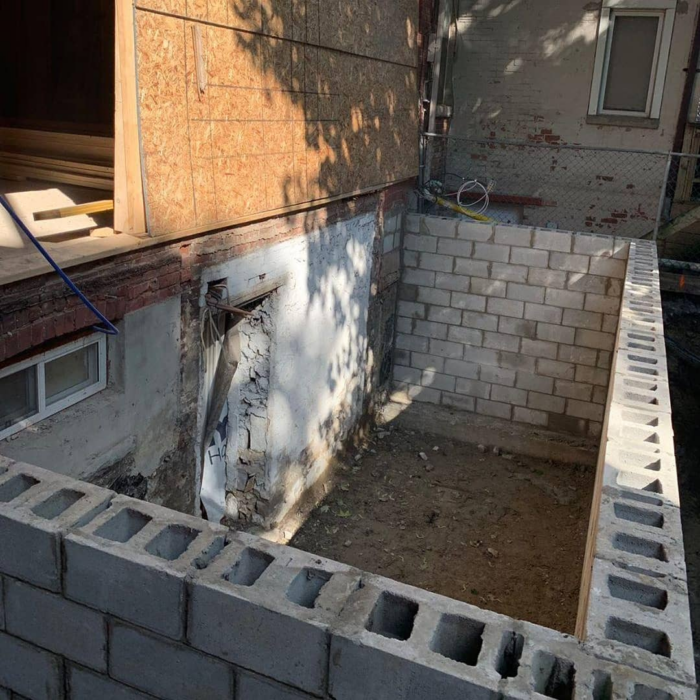
This type of basement covers only a section of the home rather than extending underneath the entire structure. While it does provide some living or storage space, it does not offer the functionality of a full basement. Underpinning can extend the basement’s footprint, strengthening the foundation and creating a full, more versatile basement space.
Full Basement
A full basement runs under the entire home and is deep enough to convert into a living space. Full basements are renowned because they offer ample space and flexibility. Even a full basement might need underpinning to increase the ceiling height, improve load-bearing capacity for additional renovations, and fix foundation problems.
Walk-Out Basement
A walk-out basement has direct outdoor access through a door or patio. This makes it an excellent choice for homeowners looking to create a separate living space or rental unit. To ensure the structural stability of a walk-out basement, underpinning helps reinforce weak foundations, prevent soil movement, and maintain safety.
The Benefits of Underpinning
- More Headroom, More Comfort: Underpinning lowers the floor to increase ceiling height, turning a low, stuffy space into one that feels open and inviting.
- A Stronger, More Secure Home: Underpinning reinforces your home’s foundation, making it stronger and more stable.
- More Usable Space: Underpinning lets you reclaim space and turn it into something useful — whether it’s a playroom, a rental suite, or just extra storage.
- Say Goodbye to Damp, Musty Smells: Underpinning helps prevent leaks and improves drainage, meaning no more worrying about mold, mildew, or that musty basement smell.
- Boost Your Home’s Value: A well-finished basement isn’t just great for you — it’s great for your home’s resale value, too.